How to Identify Gambling Addiction Early

As passionate advocates for responsible betting, we at the Daily best tipsters believe it’s crucial to address the darker side of gambling: ADDICTION! Gambling addiction can sneak up on anyone, transforming a fun pastime into a destructive force. Identifying the signs early is key to preventing severe consequences. Here’s how to recognise the early warning signs of gambling addiction, from the perspective of a seasoned tipster who’s seen it all.
Understanding Gambling Addiction
Gambling addiction, also known as compulsive gambling or gambling disorder, is characterised by an uncontrollable urge to keep gambling despite the negative impact it has on your life. It can lead to financial ruin, strained relationships, and severe emotional distress. The key to managing this disorder lies in early identification and intervention.
Early Warning Signs
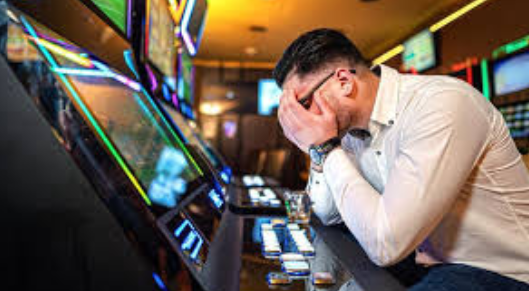
Recognising the early signs of gambling addiction can be challenging, especially when the behavior is masked by the excitement and social aspects of betting. Here are some red flags to watch for:
1. Increased Preoccupation with Gambling
- Constantly Thinking About Gambling: If you find yourself frequently daydreaming about past gambling experiences, planning future bets, or thinking about ways to get money to gamble, it’s a sign that gambling is taking up too much mental space.
- Neglecting Other Activities: When betting starts to overshadow hobbies, work, or family time, it’s a clear indicator that gambling is becoming a priority.
2. Chasing Losses
- Persistent Betting to Recover Losses: One of the most common signs of gambling addiction is the compulsion to keep betting in an attempt to win back lost money. This often leads to larger and more frequent bets.
- Escalating Stakes: Needing to place increasingly higher bets to achieve the same level of excitement is a dangerous sign of developing addiction.
3. Financial Troubles
- Borrowing Money: Resorting to loans, credit cards, or borrowing from friends and family to fund gambling activities is a significant warning sign.
- Hiding Expenses: Concealing betting expenses or winnings/losses from loved ones often indicates that you are aware of the problem but are struggling to control it.
4. Emotional and Behavioral Changes
- Mood Swings: Experiencing extreme highs and lows based on betting outcomes can point to an unhealthy reliance on gambling for emotional stability.
- Irritability and Restlessness: Feeling irritable or restless when not gambling can indicate withdrawal symptoms, similar to other forms of addiction.
- Using Gambling as an Escape: Turning to betting as a way to cope with stress, anxiety, or depression is a clear sign that gambling is being used as an emotional crutch.
5. Neglecting Responsibilities
- Ignoring Obligations: Missing work, school, or important family events to gamble is a strong indicator of a problem.
- Declining Performance: A noticeable drop in work or school performance due to preoccupation with gambling.
Taking Action Early
If you recognise any of these signs in yourself or someone else, it’s crucial to take action immediately. Here’s how:
1. Self-Assessment and Awareness
- Be Honest with Yourself: Acknowledge the problem and understand that it’s okay to seek help. Denial only worsens the situation.
- Track Your Betting: Keep a log of your betting activities, including time spent, amounts wagered, and emotional states before and after betting. This can help in recognising patterns and triggers.
2. Seek Professional Help
- Counseling and Therapy: Mental health professionals can provide strategies and support to manage gambling addiction.
- Support Groups: Organisations like GambleAware offer a community of individuals who share similar experiences and can provide guidance and support.
3. Set Boundaries and Limits
- Financial Controls: Establish strict betting budgets and stick to them. Consider asking a trusted person to help manage your finances.
- Time Management: Allocate specific times for betting and ensure it does not interfere with daily responsibilities.
4. Find Alternative Activities
- Diversify Your Interests: Engage in other hobbies and activities that provide enjoyment and fulfillment, reducing the reliance on gambling for excitement
Useful Resources for Help
If you or someone you know is struggling with gambling addiction, there are various charities and support services available to provide assistance and guidance:
- GamLearn: Delivers support through its Gambling Lived Experience and Recovery Network service.
- The National Gambling Helpline, operated by GamCare, , offers toll-free, confidential assistance, information, and counseling. It’s accessible 24/7 at 0808 8020 133.
- ChapterOne: A charitable organisation dedicated to offering guidance and aid to individuals grappling with gambling-related difficulties.
To gain insight into your gambling habits and assess whether you might be at risk of addiction, consider taking the free and confidential Gambling Addiction Test provided by the NHS.
Early identification of gambling addiction is crucial for mitigating its impact on your life. By staying vigilant and recognising the warning signs, you can take proactive steps to address the issue. At the Daily Tipster, we encourage responsible gambling and are committed to supporting our readers in maintaining a healthy balance. If you or someone you know is struggling with gambling addiction, don’t hesitate to seek help. Your mental and financial well-being are far more valuable than any potential win.