
The Influence of Weather on Horse Racing

When severe weather strikes, race days may be extremely tough, presenting a number of obstacles and possible setbacks for everyone concerned. However, weather still has a big influence on betting methods and bet selection techniques, even in less extreme situations.
Understanding Track Conditions
Before delving into the effects of weather, it’s crucial to grasp the various track conditions encountered in horse racing:
- Fast: Characterised by dry, firm ground, ideal for horses that excel on hard surfaces.
- Good: Slightly softer than fast conditions, providing some cushioning while still maintaining a relatively fast surface.
- Good to Firm: A combination of fast and good conditions, with firm ground but slight give.
- Soft: Moisture present on the track, resulting in a slower surface suitable for horses that perform well in softer conditions.
- Heavy: Wet and muddy track conditions, offering substantial resistance to horse movement and favoring horses with stamina and strength.
Effects of Rain
Rainfall is perhaps the most obvious weather factor affecting horse racing. The quantity and timing of rain can dramatically alter track conditions and influence race outcomes:
- Soft and Heavy Tracks: Persistent rainfall can transform tracks into soft or heavy conditions, significantly slowing down race times and favoring horses with endurance and mud-running ability.
- Increased Risk of Injury: Wet tracks elevate the risk of slips and falls, posing potential hazards to both equine and human participants.
- Changes in Racing Tactics: Trainers and jockeys may adapt their strategies in response to wet conditions, tipster comparison-tipsters/" data-type="page" data-id="1780">selecting horses that perform better in the mud and adjusting race tactics accordingly.
Effects of Heat
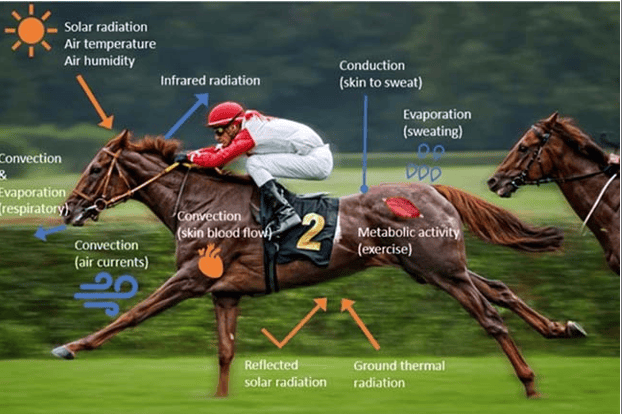
Extreme heat poses its own challenges for horse racing, impacting both horses and track conditions:
- Dehydration Risk: High temperatures can lead to dehydration and fatigue in horses, diminishing their performance and stamina.
- Track Hardening: Prolonged heat exposure can cause tracks to harden, resulting in firm and fast conditions that may not suit all horses.
- Increased Risk of Heat Stress: Horses and jockeys are susceptible to heat stress in hot weather, compromising their ability to compete at optimal levels.
Effects of Wind
While often overlooked, wind can also influence race outcomes in significant ways:
- Tailwind vs. Headwind: Tailwinds can provide a speed advantage to horses, aiding their momentum and potentially improving race times. Conversely, headwinds can impede progress, slowing down horses and affecting performance.
- Dust and Debris: Strong winds can kick up dust and debris on the track, creating visibility issues for both horses and jockeys.
Adjustment of Race Tactics: Jockeys may need to modify their tactics in response to wind conditions, positioning horses to capitalise on tailwinds or