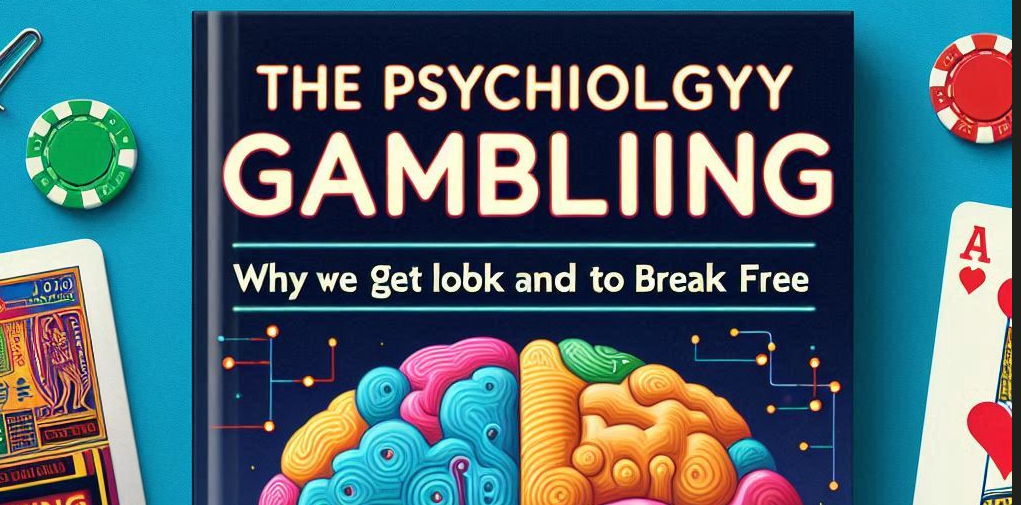
The Psychology of Gambling Why We Get Hooked and How to Break Free
Gambling has been a popular pastime for centuries, from ancient betting games to the glitzy casinos of Las Vegas and the modern world of online sports betting. But what makes gambling so irresistible? And what happens when it spirals out of control? Let’s explore the psychology behind gambling, with real-life examples and practical advice for those who might be struggling.
1. The Thrill of Uncertainty: The Heart of Gambling’s Appeal
Imagine this: You’re sitting at a slot machine, the lights are flashing, and with every pull of the lever, there’s a chance you might hit the jackpot. It’s this uncertainty that makes gambling so thrilling. The possibility of a big win, even if it’s slim, keeps you coming back for more.
- Example: A study showed that people are more excited by uncertain rewards than guaranteed ones. This is why a slot machine, with its unpredictable payouts, can be more engaging than a game where the outcome is more certain, like a friendly bet on a sports game with a friend.
2. Cognitive Biases: The Mind Tricks That Keep Us Betting
Our brains aren’t always rational, especially when it comes to gambling. Cognitive biases—mental shortcuts that often lead us astray—play a big role in why people keep gambling, even when the odds are against them.
- Gambler’s Fallacy: Have you ever thought, “It’s been red five times in a row, so it must be black next”? This is the gambler’s fallacy in action. Each spin of the roulette wheel is independent, but our brains like to think we can predict the future based on past events.
- Illusion of Control: Some people believe they can influence random events. For example, a person might blow on dice before rolling them, believing it will help them get the numbers they want. This illusion of control can make people feel more confident and encourage them to keep betting.
3. Emotional Escape: Gambling as a Coping Mechanism
For many, gambling isn’t just about the potential rewards—it’s a way to escape from reality. When life gets tough, the excitement of gambling can offer a temporary distraction from stress, anxiety, or depression.
- Example: Someone going through a difficult breakup might start gambling to take their mind off their problems. The rush of placing a bet can momentarily overshadow feelings of sadness or loneliness. However, this can quickly lead to a cycle of dependency, where gambling becomes a go-to coping mechanism for emotional pain.
4. The Brain’s Reward System: Why We Keep Going Back
When you gamble, your brain releases dopamine, the “feel-good” neurotransmitter that’s also released during activities like eating and exercising. This release happens whether you win or lose, which can make gambling highly addictive.
- Example: After winning a hand of poker, you feel a rush of excitement and satisfaction. But even after losing, the anticipation of winning again keeps you playing. Over time, you might find yourself chasing that initial high, betting more money and taking bigger risks.
5. Real-Life Stories: When Gambling Becomes a Problem
Gambling can start as a fun activity but can quickly spiral out of control. Let’s look at a few examples:
- John’s Story: John started gambling casually, placing small bets on football games. Over time, he began to bet more and more, chasing losses with bigger bets. Eventually, he found himself in debt, hiding his gambling from his family, and feeling trapped.
- Lisa’s Story: Lisa loved the excitement of slot machines. She would spend hours at the casino, convinced that the next spin would be the one to win big. But her gambling addiction led to her losing her job, straining her relationships, and depleting her savings.
6. Breaking Free: Steps to Regain Control Over Gambling
If gambling has become more than just a fun activity, there are ways to take back control. Here are some practical steps:
- Acknowledge the Problem: The first step is recognizing that gambling has become an issue. This can be difficult, but it’s crucial for making a change.
- Set Limits: Decide in advance how much time and money you’re willing to spend on gambling, and stick to those limits. For example, set a budget for a night out at the casino, and leave your credit cards at home.
- Seek Support: Don’t go it alone. Reach out to friends, family, or a support group like Gamblers Anonymous. Sharing your struggles with others can provide much-needed support and accountability.
- Use Self-Exclusion Programs: Many gambling establishments offer self-exclusion programs that allow you to ban yourself from casinos or online betting sites. This can be a powerful tool to help you avoid temptation.
- Replace Gambling with Healthier Activities: Find other ways to get that rush of excitement—try new hobbies, exercise, or spend time with loved ones. These activities can provide a similar sense of satisfaction without the risks.
- Consider Professional Help: If gambling has become an addiction, cognitive-behavioural therapy (CBT) can help. CBT works by challenging the thoughts and beliefs that drive gambling behaviour, such as the illusion of control or the gambler’s fallacy.
7. Resources and Help Guides
- Gamblers Anonymous (GA): A fellowship of people who have joined together to do something about their own gambling problem and to help others do the same.
- National Council on Problem Gambling: Offers a helpline, resources, and information for those struggling with gambling addiction.
- Gambling Therapy: An online service offering free practical advice and emotional support to anyone affected by problem gambling.
Gambling taps into deep psychological processes, from the thrill of uncertainty to the brain’s reward system. While it can be a harmless source of entertainment for some, for others, it can become a serious problem. Understanding the psychology behind gambling is the first step in recognising the risks and knowing when to seek help. If you or someone you know is struggling with gambling, remember that help is available, and recovery is possible.